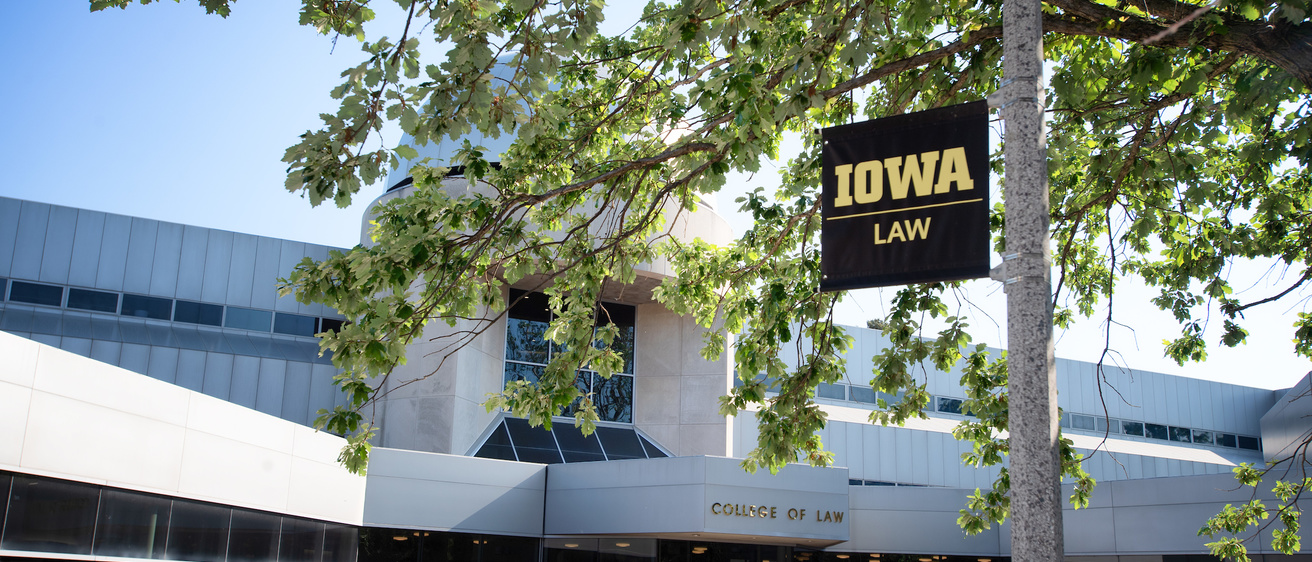
Outside of the Boyd Law Building at Iowa Law
About the Federal Criminal Defense Clinic
In the Federal Criminal Defense Clinic (FCDC), students represent indigent people charged with federal crimes in the U.S. District Courts for the Southern and Northern Districts of Iowa, as well as in various federal district and courts of appeals across the nation. The FCDC is one of only two trial-level federal criminal defense clinics in the nation.
Functioning much like a mini-federal public defenders’ office, the FCDC takes court-appointed cases and provides representation from the initial charge through the case’s completion, no matter the stage. In addition to federal trial- and appellate-level work, the FCDC’s Decarceration Project focuses on sentencing-reduction litigation under 18 U.S.C. § 3582 and 28 U.S.C. § 2241, as well as Executive Clemency. The goal is to seek the release of people who are serving disproportionately long terms of imprisonment, regardless of their crimes.
The Federal Criminal Defense Clinic is directed by Professor Alison Guernsey.
Director

Alison K. Guernsey
"There is so much more to being a lawyer than reading cases—lawyers need to counsel clients, collaborate with other lawyers, and know the rules of professional conduct and the local rules where they practice. In clinic, you get first-hand experience doing these things. And, while gaining these skills, you get to work with real clients and have a positive impact in their lives."
How to get involved
The FCDC doesn’t have any prerequisites. However, students who have completed Evidence and Trial Advocacy may receive preference in the application process. Because of the potential for conflicts of interest, summer experience at the U.S. Attorneys’ Office in the Southern or Northern District of Iowa may prevent students from enrolling in FCDC.
Prospective clients

FCDC focuses on defending people charged with crimes in the federal courts. Most of the Clinic’s cases are court appointments, which means that you cannot retain the Clinic to defend you.
The FCDC will consider representing people with federal criminal matters where there is no constitutional or statutory right to counsel. Some of these types of cases include compassionate release, complaints about the denial of earned time credits, motions for early termination of supervised release, sentence commutations, and clemency.
On occasion, the FCDC will represent an individual in an Iowa-based commutation or rights-restoration application.
The FCDC does not defend individuals facing criminal charges in Iowa or other state courts at either the trial- or appellate-levels.
News
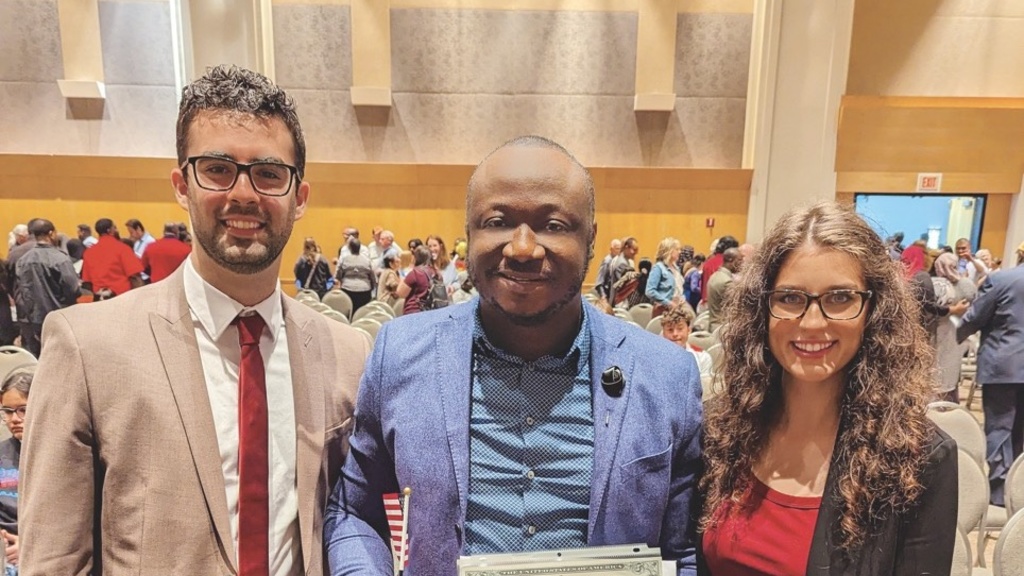
Iowa Law Legal Clinic: Case Files

The Clinical Advantage
Contact us
For more information, please contact the legal clinic at 319-335-9023 or law-legal-clinic@uiowa.edu.